Everything You Need to Know About Local Caterings


Everything You Need to Know About Local Caterings
Hosting an event is a major responsibility, and the food you serve is often the most talked-about element. Exploring the word of local caterings can feel like learning a new language, but it’s the key to a stress-free and successful celebration. From understanding pricing models to selecting the right service style for your local area, this comprehensive guide covers everything you need to know about hiring a professional caterer near you. Let’s break down the essential components of a great catering experience.
The Primary Roles of a Local Caterer
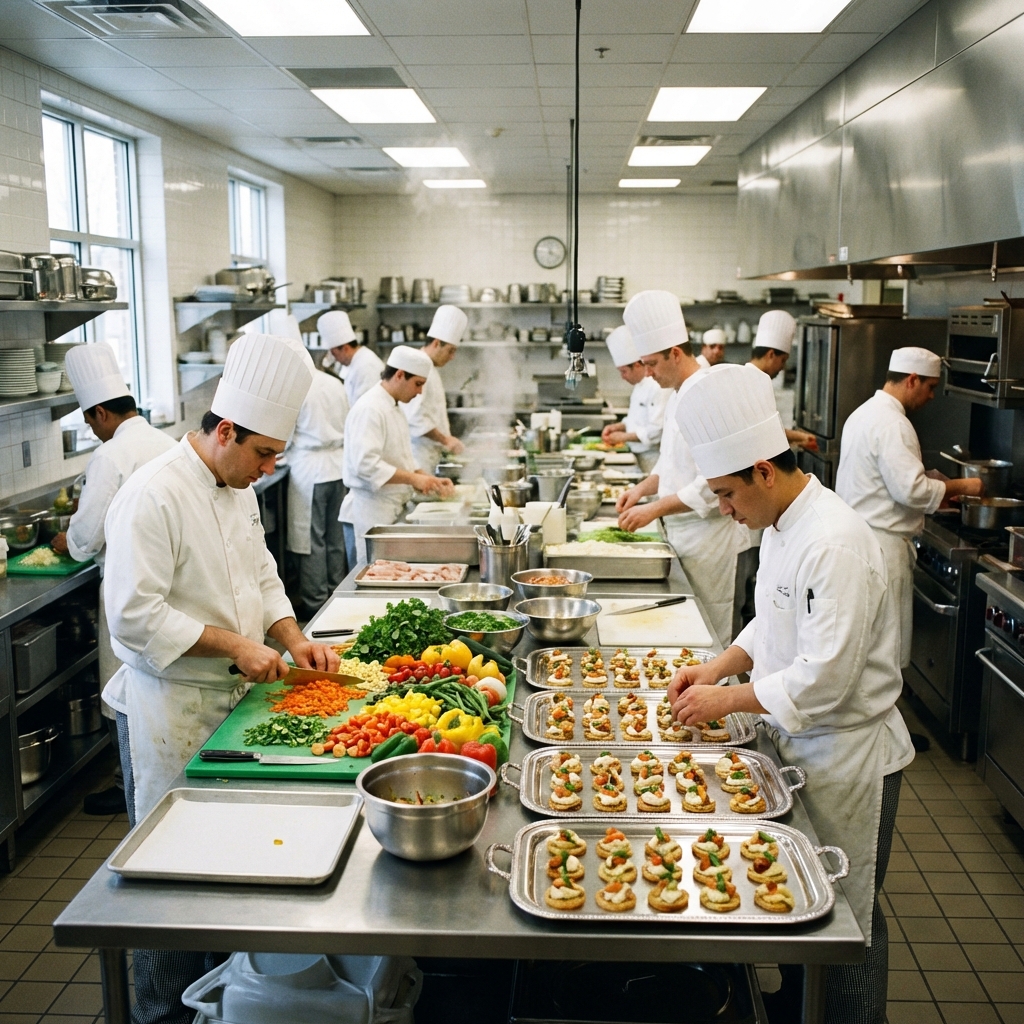
A great local catering company wears many hats. They are not just cooks; they are event planners, logistical experts, and hospitality professionals. Their roles include menu consultation, food safety management, venue coordination, and staff supervision. When you hire a caterer in your city, you are hiring a partner who is dedicated to the overall success of your event, not just the quality of the appetizers.
Standard Catering Service Styles
The ‘style’ of service you choose sets the tone for your event. Local caterers typically offer these common options:
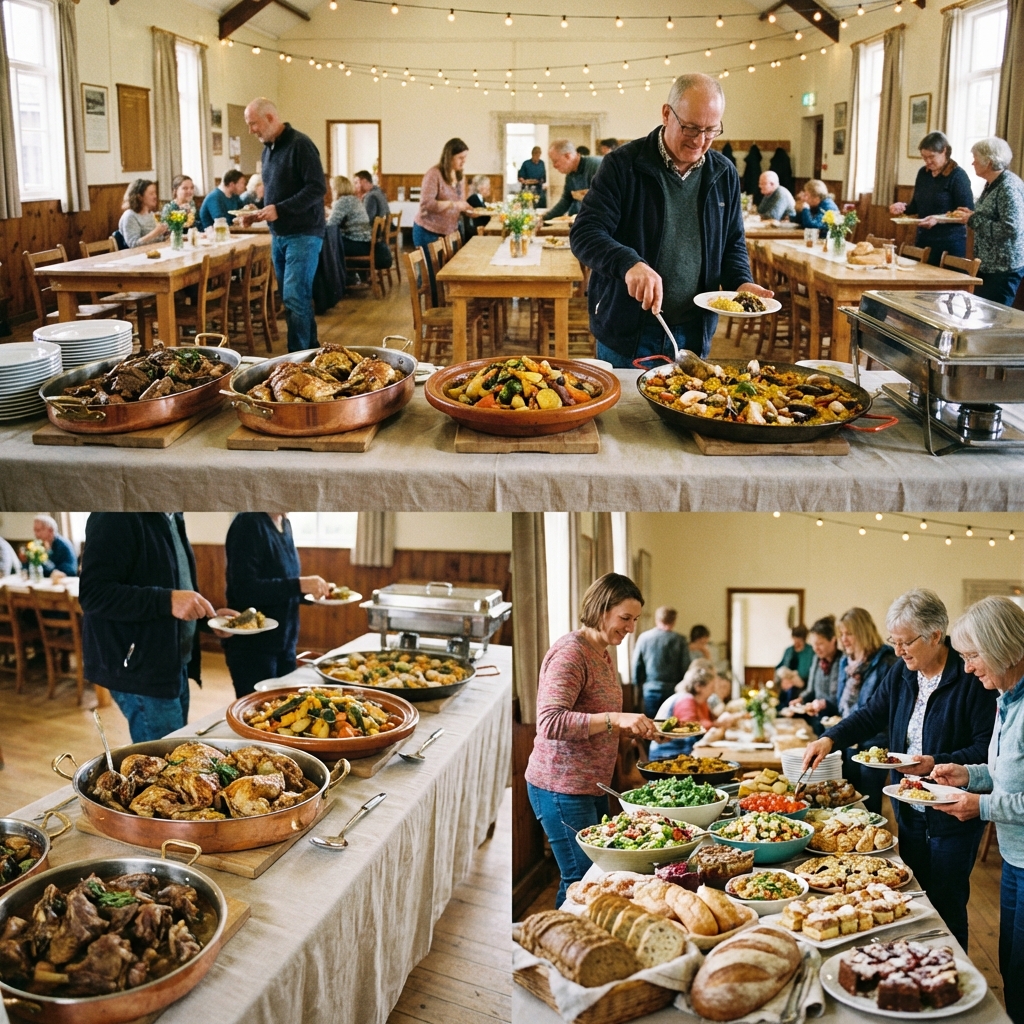
- Buffet Style: Guests serve themselves from a variety of dishes. It’s casual and allows for great variety.
- Plated Service: Servers bring individual meals to each guest. This is formal and elegant, perfect for weddings or galas.
- Family Style: Large platters of food are placed on each table for guests to share. It creates a warm, communal atmosphere.
- Food Stations: Various ‘stations’ (like a taco bar or pasta station) are spread throughout the room, encouraging guests to mingle.
Understanding Catering Pricing and Fees
Catering quotes can be complex. In your local area, you’ll likely see a few different types of costs. ‘Per Head’ pricing is common, but you should also watch for ‘Service Fees’ (which cover overhead and admin), ‘Labor Fees’ (for the staff on-site), and ‘Rental Fees’ for items like glassware or china. Always ask your local caterer for a ‘bottom-line’ price to ensure the quote fits your actual budget. Transparency is the hallmark of a reputable local professional.
The Selection Process: How to Choose Wisely
Choosing the right caterer near you requires careful consideration. Don’t just go with the cheapest option; look for value. Ask for references from recent events they’ve handled in the community. Check their social media for photos of their ‘real’ food (not just stock photos). Most importantly, ensure you ‘click’ with their team. Good communication is essential for a smooth event planning process.
Planning for Success: Your To-Do List
To help your local caterer do their best work, you need to provide them with accurate information. This includes a final guest count (usually required 7-10 days before), details on any guest allergies, a clear timeline of when food should be served, and information about the venue’s kitchen facilities. The more information you provide, the better your caterer in your city can perform.
Frequently Asked Questions
What is a ‘Guaranteed Minimum’?
This is the minimum number of guests you agree to pay for, even if fewer people show up. Typical local caterers use this to secure staffing and supplies for your event.
Do local caterers handle the bar service?
Many do, but it depends on their liquor license. Some can provide the alcohol and bartenders, while others can only provide the ‘mixers’ and staff if you provide the booze. Always check the local laws in your area.
Can I change my menu after I sign the contract?
Most local caterers allow for minor changes up until a certain point (usually 2-4 weeks before). Major overhauls may incur additional fees or administrative costs.
Is tipping expected for local catering staff?
Often, a ‘gratuity’ is already included in your service fee. If not, a tip of 15-20% of the total food cost is standard and greatly appreciated by the hardworking staff in your community.
Conclusion
Armed with this knowledge, you are now ready to navigate the world of local caterings like a pro. From service styles to pricing structures, you know what to look for and what questions to ask. Remember, a great local caterer is your best ally in creating a memorable event. Take your time, do your research, and choose a professional near you who shares your vision for a perfect celebration. Happy hosting!