How Local Caterers Operate in Your Area

How Local Caterers Operate in Your Area
Have you ever wondered what happens behind the scenes of a successful event? Local caterers are the unsung heroes who manage complex logistics, culinary artistry, and customer service to bring delicious food to your table. In your local area, these professionals operate through a series of well-coordinated steps, from the initial flavor profiles to the final site cleanup. Understanding their operations can help you appreciate the value they bring to the community.
The Infrastructure of a Local Catering Business
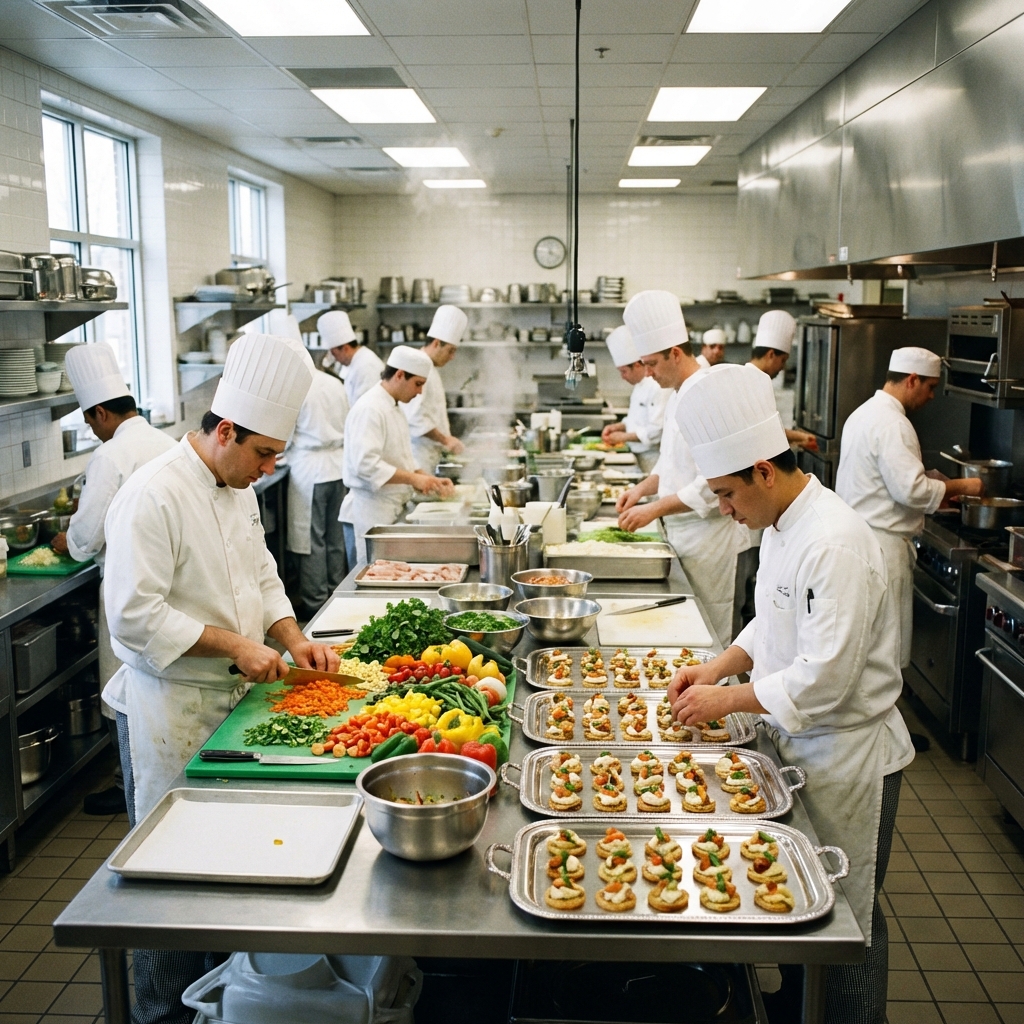
Most local caterers operate out of a certified commercial kitchen. This space is different from a standard restaurant kitchen as it is designed for high-volume production and mobile logistics. These kitchens are equipped with industrial-strength ovens, walk-in freezers, and specialized packing areas. When searching for a caterer near you, knowing they have a dedicated, licensed facility is a primary indicator of professionalism and food safety.
Step-by-Step: From Order to Delivery
The operational flow of a local caterer is a precise sequence of events. Here is a look at the typical lifecycle of a local catering order:
Sourcing and Inventory Management
Once an event is booked, the caterer starts sourcing ingredients. A major benefit of local caterers is their relationship with regional suppliers. They spend their mornings at local markets or receiving deliveries from area farmers, ensuring that the produce used in your meal is as fresh as possible. This ‘farm-to-table’ approach is often a hallmark of high-quality local catering services.
Prep and Cooking
The cooking process for catering is strategic. Cold items are prepared in a climate-controlled room, while hot items are cooked in stages. Some dishes are partially cooked and ‘finished’ on-site to ensure they don’t lose their texture or temperature during transport. This requires a deep understanding of food science and timing.
Logistics and Transportation
Getting the food from the kitchen to your venue in your city is one of the most challenging parts of the operation. Local caterers use specialized insulated carriers (often called ‘hot boxes’) to keep food at safe temperatures. They also operate a fleet of delivery vehicles designed to prevent spills and maintain food quality. The proximity of a local caterer to your venue is a significant advantage, as it minimizes the time food spends in transit.
- Temperature Control: Constant monitoring ensures food stays above 140°F (for hot) or below 40°F (for cold).
- Loading and Securement: Ensuring everything from forks to full trays is packed and secured.
- Traffic and Routes: Local knowledge of peak traffic times in your area to ensure punctual delivery.
On-Site Operations and Teamwork
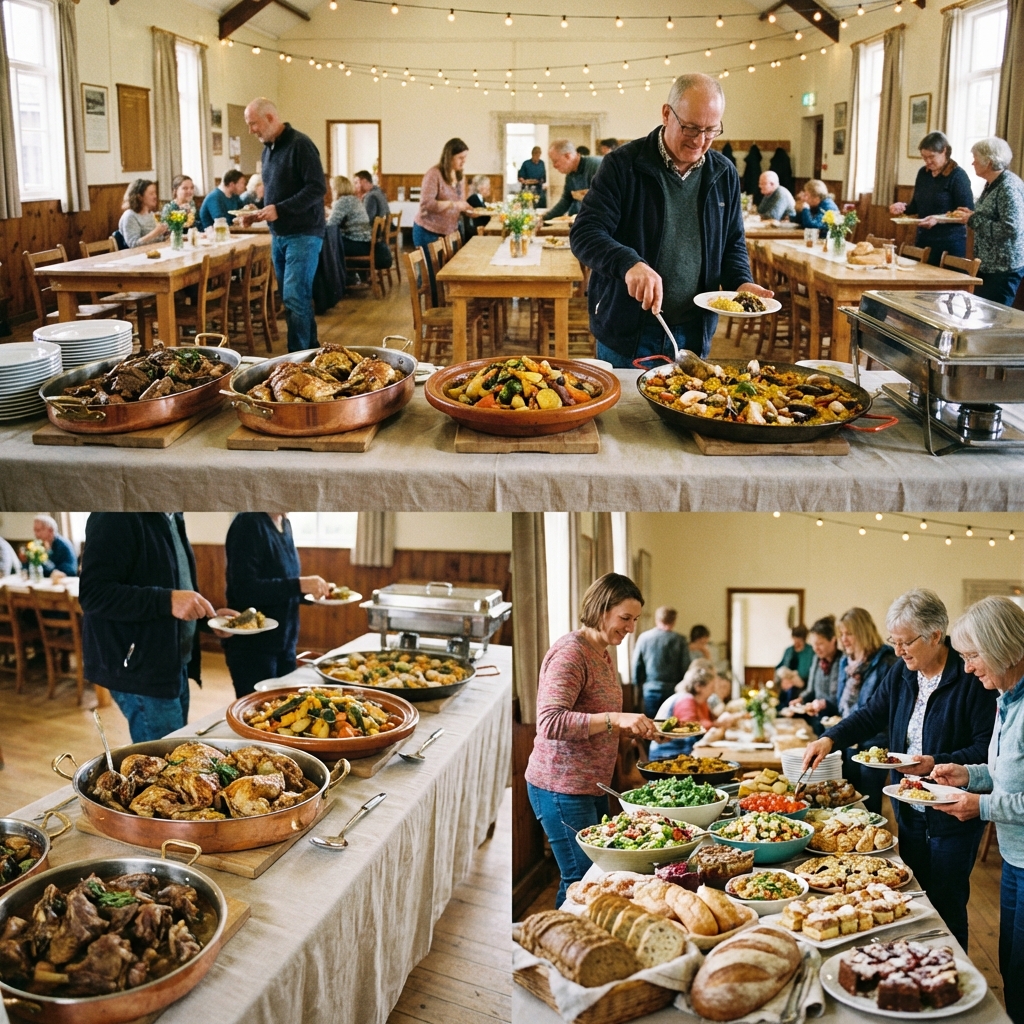
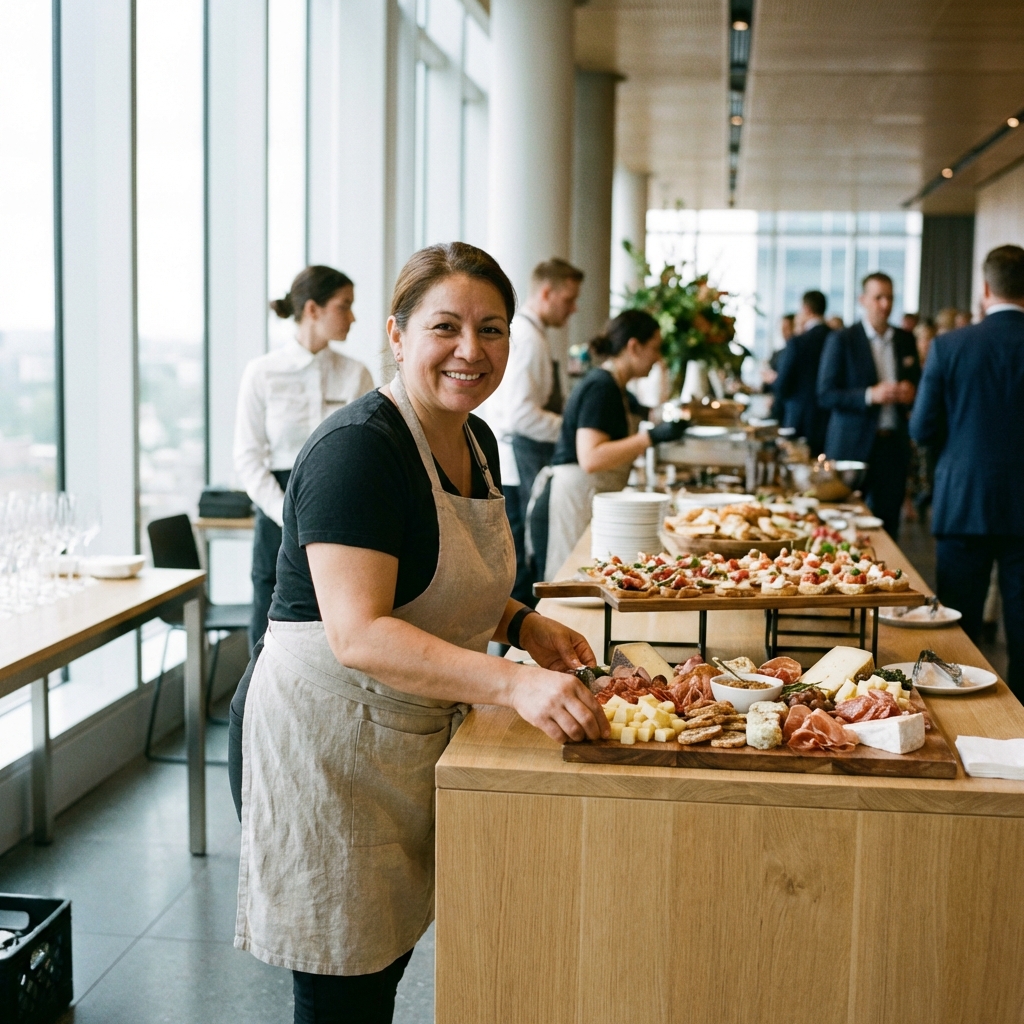
Once the team arrives at your local event space, they transition into service mode. The staff works as a unit, with some focused on plating, others on buffet management, and servers attending to guest needs. They are trained to handle the unexpected—whether it’s an extra guest or a specific dietary request made at the last minute. This agility is a key trait of successful local caterers.
Frequently Asked Questions
Do local caterers cook everything on-site?
It depends on the venue’s facilities. If there is a full kitchen on-site, a caterer may do a majority of the cooking there. Otherwise, they prepare the food in their commercial kitchen and use portable equipment to keep it fresh and finish it at the venue.
How do local caterers handle food safety?
Local caterers follow strict health department guidelines. They are regularly inspected and must maintain certifications like ServSafe for their staff. This ensures that every bite you take is safe and handled professionally.
Can I visit a local caterer’s kitchen?
Many professional caterers near you are happy to provide a tour of their facilities if scheduled in advance. This build trust and shows transparency in their operations.
What happens to the waste after a catered event?
A professional local caterer will handle the removal of all food-related waste. Many also practice eco-friendly disposal methods, such as composting or recycling, depending on the services available in your community.
Conclusion
The operation of a local caterer is a beautiful blend of culinary skill and logistical precision. By choosing a professional in your local area, you are supporting a business that understands the local landscape and is dedicated to providing high-quality service to its neighbors. Now that you know how they operate, you can feel even more confident booking your next event with a local expert!